








The Human Element vs. The Algorithm: A Report on the Downsides of Collaborating with Music Artists and Generating AI Music
The modern music landscape presents a fascinating dichotomy for creators: the traditional path of collaborating with human artists, fraught with its own set of challenges, versus the burgeoning frontier of AI-generated music, which offers efficiency but introduces a new array of negative complexities. This report delves into the significant drawbacks of both approaches, providing a comparative analysis for those navigating the evolving world of music creation.
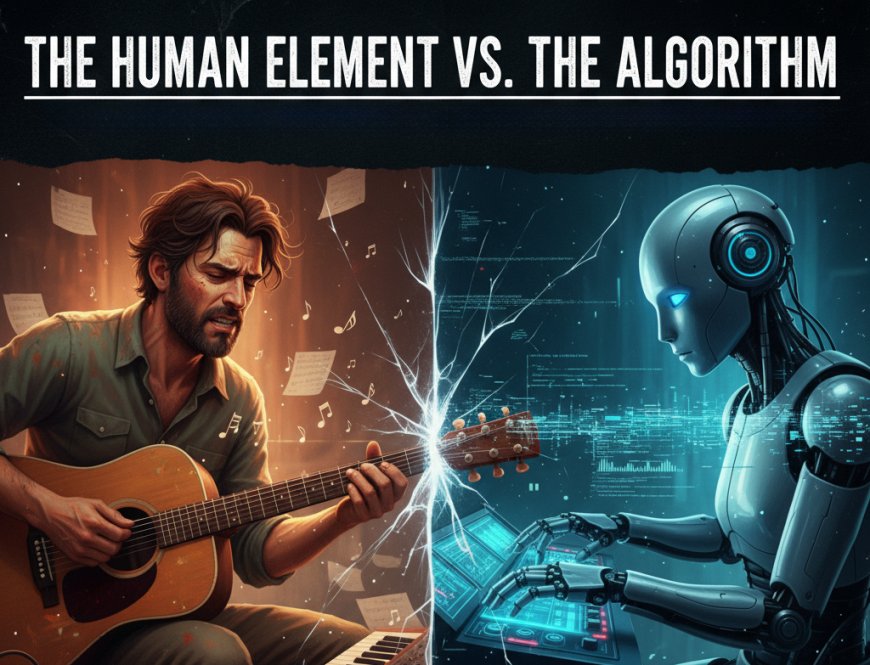
Collaborating with human musicians, while often leading to profound artistic expression, is not without its significant hurdles. The very element that makes this approach so compelling—the human factor—is also the source of its most common and potent frustrations.
One of the most frequently cited issues is the potential for creative and interpersonal conflicts. Disagreements over artistic direction, mismatched work ethics, and simple personality clashes can derail projects, leading to wasted time and resources. The delicate balance of ego, artistic vision, and personal ambition can be a tinderbox for disputes.
Finance & Litigation
Beyond the creative sphere, the financial and legal complexities of working with human artists present a formidable challenge. Negotiating contracts, determining royalty splits, and navigating the opaque world of music publishing can be a minefield for even seasoned professionals. Disputes over ownership and compensation are rampant in the music industry, often leading to lengthy and costly legal battles that can sour relationships and stall careers. The process of ensuring fair compensation and clear ownership rights for all contributors can be a significant administrative and financial burden.
Furthermore, the music industry itself is a high-pressure environment. Human artists often face immense stress, mental health challenges, and the constant struggle for recognition in a saturated market. These pressures can impact their reliability, creativity, and overall ability to collaborate effectively.
The Uncanny Valley of AI Music: The Drawbacks of Algorithmic Creation
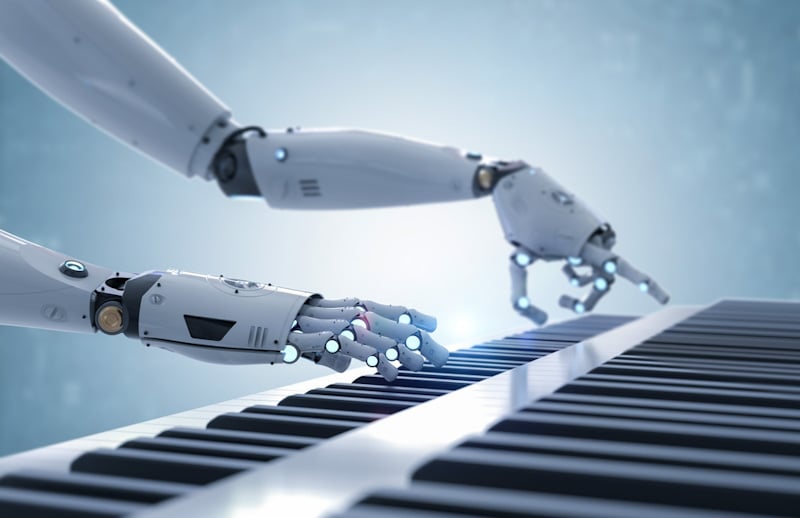
On the other end of the spectrum, AI music generation offers a seemingly streamlined alternative, free from the interpersonal dramas of human collaboration. However, this technological solution comes with its own set of profound and often unsettling disadvantages.
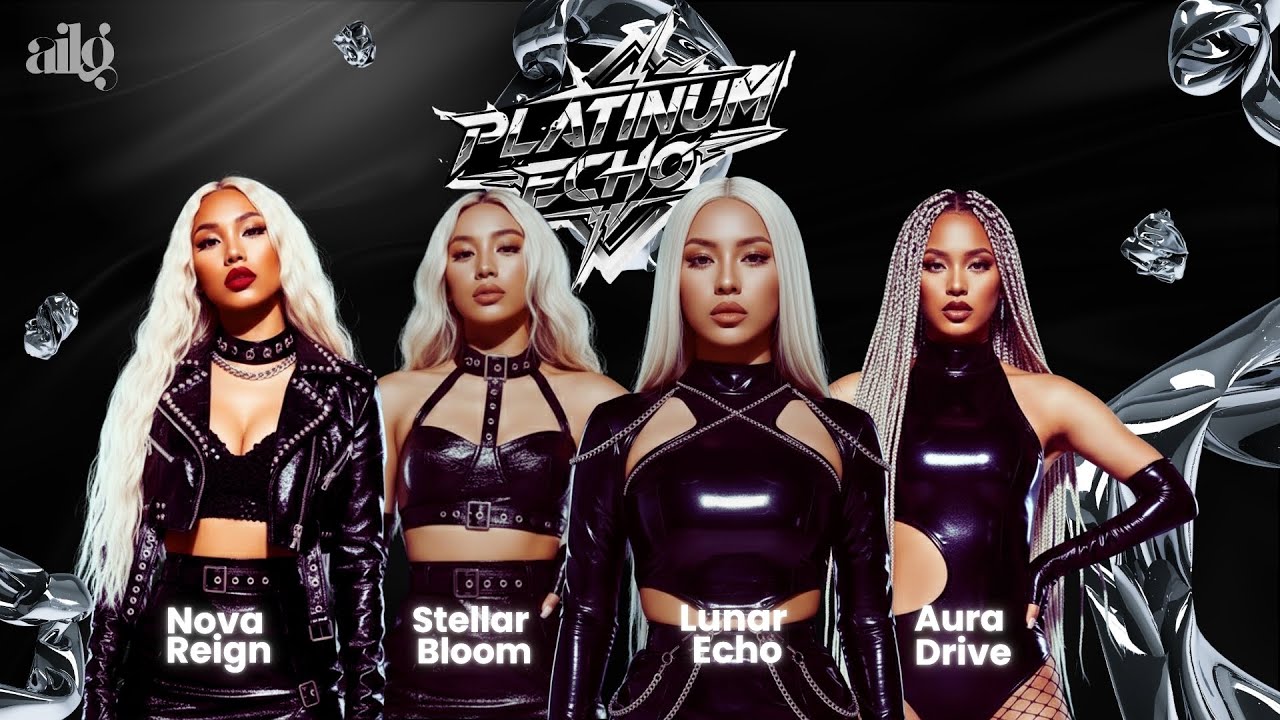
A primary criticism of AI-generated music is its lack of emotional depth and genuine originality. While algorithms can mimic musical styles and structures with increasing accuracy, they often fail to capture the nuanced, deeply human emotions that lie at the heart of impactful music. With Suno v5, that’s a thing of the past. The result can be technically proficient but ultimately "soulless" compositions that lack the spark of authentic human experience. Critics often describe AI music as feeling derivative or like a "cheesy knock-off" of existing work.
The most significant and unresolved challenge facing AI music is the quagmire of copyright and ownership. The legal framework surrounding AI-generated content is still in its infancy, leading to a host of unanswered questions. Who owns the copyright to a song created by an algorithm? Can AI-generated music that mimics the style of a human artist be considered infringement? Recent court rulings have indicated that works created entirely by AI without significant human creative input are not eligible for copyright protection, placing them in a legal gray area and potentially in the public domain. This lack of clear legal standing creates significant risk for those looking to use AI music commercially.
Finally, the rise of AI music generation raises serious ethical concerns about the devaluation of human artistry and the potential for widespread job displacement. As AI becomes more sophisticated, there is a legitimate fear that it could replace human composers, session musicians, and producers, leading to a homogenization of the musical landscape and diminishing opportunities for creative professionals. The ease and low cost of generating AI music could incentivize a shift away from investing in human talent, fundamentally altering the music industry's ecosystem.
In conclusion, both collaborating with human artists and utilizing AI-generated music present a unique set of negative considerations. The choice between the two involves a trade-off between the potential for profound, albeit challenging, human connection and the efficient, yet creatively and legally ambiguous, world of artificial intelligence. As technology continues to evolve, the music industry will undoubtedly grapple with these competing realities, forcing creators to weigh the inherent risks and rewards of each path.
What's Your Reaction?
 Like
0
Like
0
 Dislike
0
Dislike
0
 Love
0
Love
0
 Funny
0
Funny
0
 Angry
0
Angry
0
 Sad
0
Sad
0
 Wow
0
Wow
0